
Five Reasons to See The Da Vinci Code
Dan Brown's international best-seller, The Da Vinci Code, is one of the most controversial books written. Although released as fiction, many believe the major plot points are grounded in fact, particularly those related to the true identity of The Holy Grail.
Though the Holy Grail is considered to be more myth than fact, a central element of the plot for The Da Vinci Code is a theory that is to “die” for. And it all begins with the creative genius surrounding the Italian Renaissance Artist Leonardo Da Vinci.
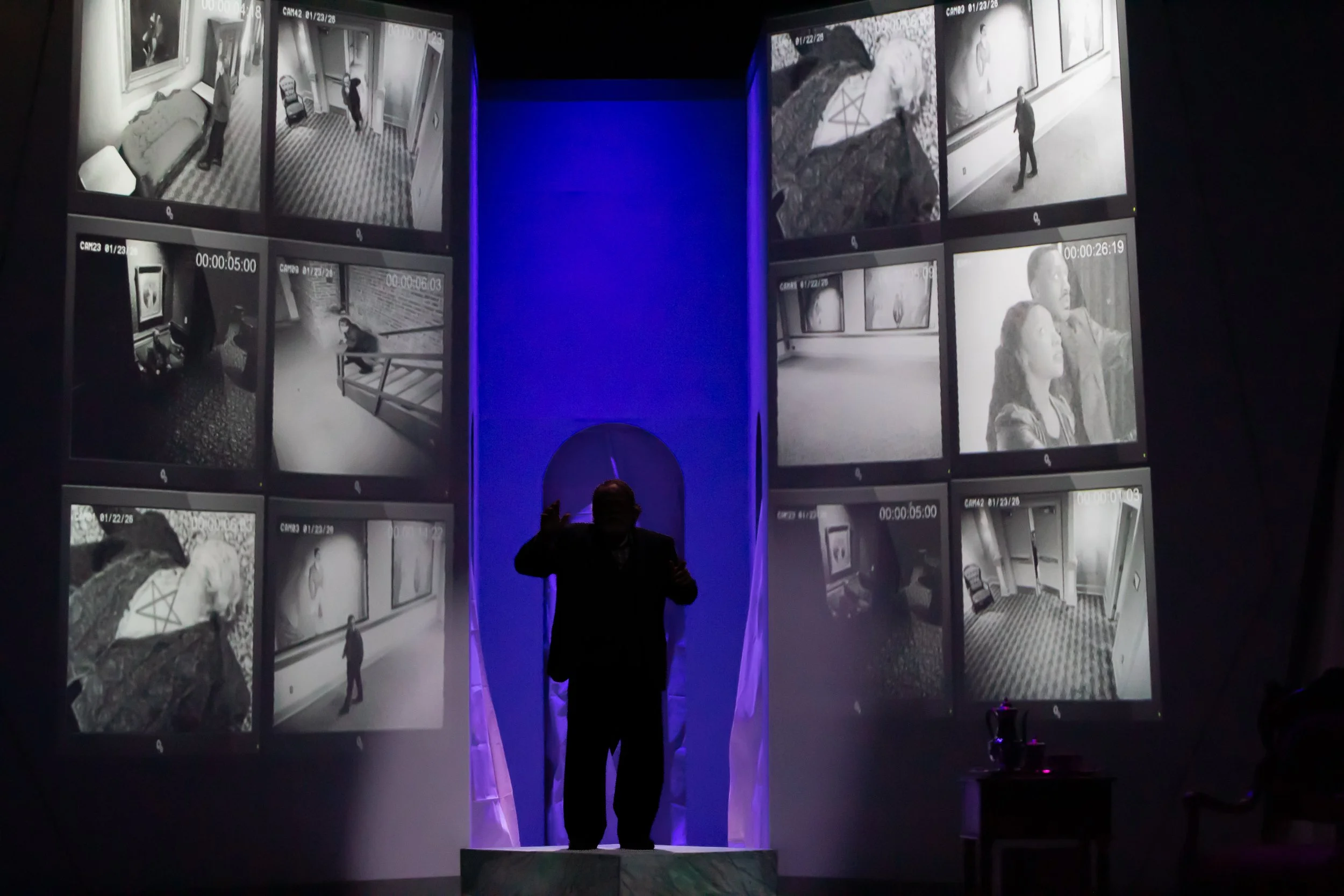
According to Brown, Da Vinci left more than masterpieces to be decoded. He also left puzzles to solve and codes to break. The Da Vinci Code stage play invites audiences into a shadowy space between art, history, and conspiracy, where every image might be a clue. These five mysteries hover at the heart of the plot as the two main characters, Robert Langdon and Sophie Neveu, race to find solutions before the clock runs out.
The Last Supper: A Table Full of Secrets As one of Da Vinci's most well-known artworks, The Last Supper has long been viewed as a coded message for the relationship between Jesus and His apostles. In The Da Vinci Code, the audience is asked to take a leap of faith and look closer at the painting to determine who may be sitting to Jesus' right. Man or woman? The apostle John… or a figure beside Christ who may not be who tradition claims. The play leans into these unanswered questions, daring the audience to look again and decide for themselves.
Vitruvian Man: The Measure of All Things Balanced, precise, and mysterious. Leonardo's iconic figure suggests a hidden order beneath the chaos of the world. The play leans into the painting’s unanswered questions when Jacques Saunière stages his own death to resemble the Vitruvian Man. Before succumbing to a brutal death, he positions his body to leave cryptic symbols as clues to be decoded by only a select few who know the secret meaning… including the killer.
The Mona Lisa: A Smile That Knows Too Much Few works of art have inspired more questions than The Mona Lisa. Her expression has intrigued viewers for centuries and is responsible for more than a few conspiracy theories. In this production, the lady hides a killer secret. The play leans into the painting’s unanswered questions, using its mystery to deepen the suspense and suggest that some secrets are deliberately concealed in plain sight.
Mirror Writing: Thoughts Turned Backward As a “leftie”, Da Vinci often wrote in reverse, readable only with a mirror. This avoided smudging and made writing faster and more comfortable for him. There are those who believe, however, that he intentionally wrote in mirror script to conceal dangerous truths, particularly knowledge that challenged the Church and established power structures. The Da Vinci Code make a compelling argument that mirror writing is an old world form of encryption. Coded language… to protect lives.
Hidden Layers: Paintings Beneath Paintings Modern scans reveal sketches and symbols buried under Da Vinci's finished works. Some say these are drafts of earlier versions of famous works. Others have come to the conclusion that fear of persecution is the reason these potentially heretical images are masked. The play suggests that history itself is layered and that the most essential truths lie in plain sight… if we only know where to look.
The Da Vinci Code on stage transforms the legendary art of a Renaissance master into living clues and edge-of-your-seat drama by blending intellect and adrenaline. If you’re drawn to mystery, art, and stories that blur the line between truth and legend, this is one production you won’t want to miss.